

If you’ve been slashing prices but still watching inventory sit, you’re probably wondering: Why Your Cars Aren’t Selling Online Even With Discounts?
It’s frustrating, isn’t it? You lower the price. You promote it. You even throw in incentives. Yet buyers scroll right past your listings.
Here’s the hard truth: discounts don’t fix presentation problems.
Today’s online buyer doesn’t just compare price, they compare experience. And if your digital merchandising is weak, no discount will save it.
Let’s break down what’s really happening and how to fix it.
The Online Car Buyer Has Changed
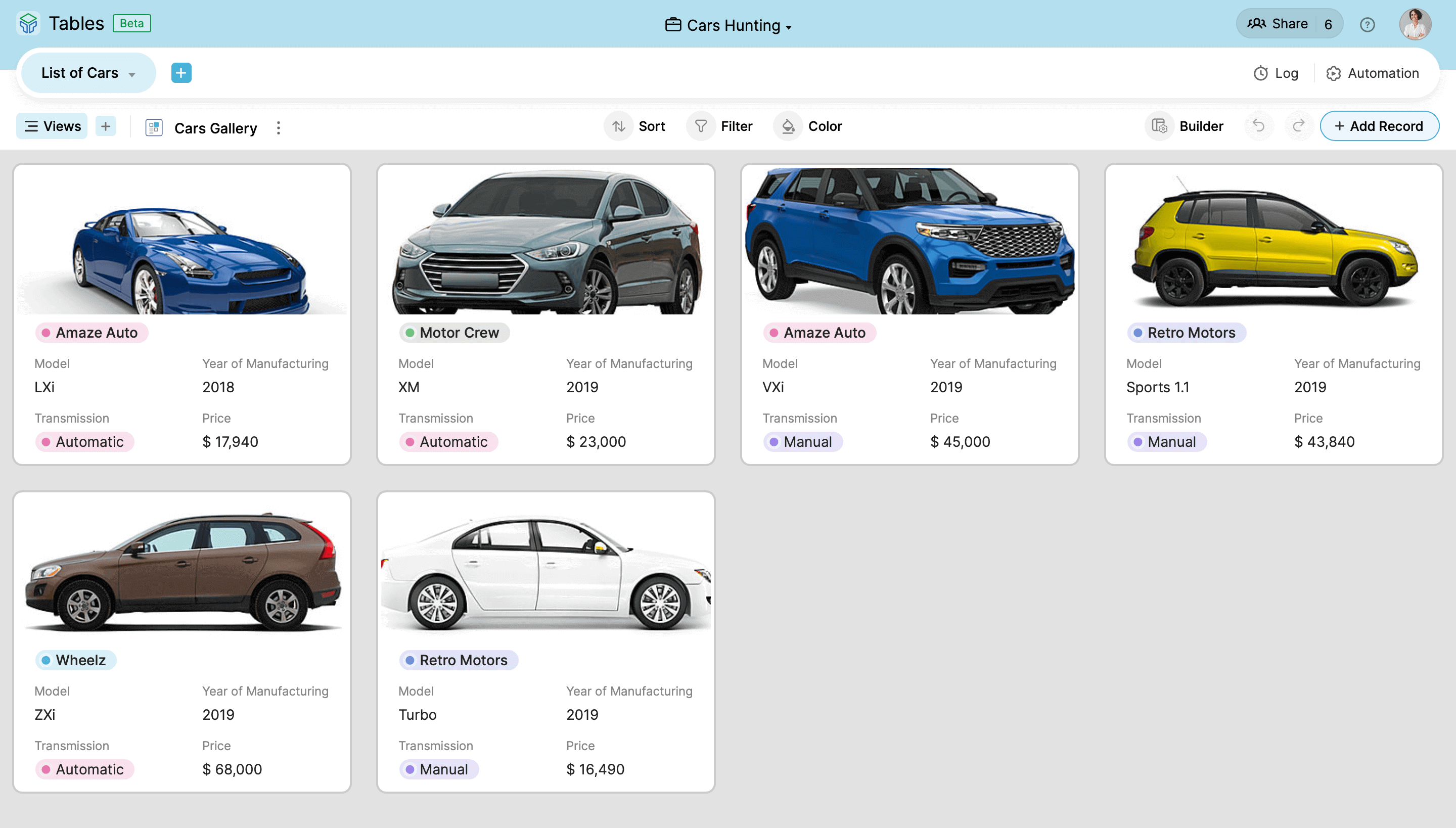
The modern buyer behaves very differently than buyers did five years ago.
Before stepping into a dealership, they:
- Compare listings across platforms
- Check reviews
- Zoom into vehicle photos
- Analyze pricing history
- Read detailed specs
Most traffic now comes from platforms like AutoTrader, Cars.com, and Facebook Marketplace.
If your vehicle appears weak next to competitors, buyers move on instantly.
Price Isn’t the First Thing Buyers Notice
It surprises many dealers, but studies show buyers first look at:
- Photos
- Vehicle condition
- Trust indicators
- Description clarity
- THEN price
If your merchandising lacks polish, even a $2,000 discount won’t create urgency.
Poor Vehicle Merchandising Is Killing Your Listings

If you’re struggling with Why Your Cars Aren’t Selling Online Even With Discounts, the answer often lies in how the car is presented.
Low-Quality Images Reduce Trust
Blurry photos. Poor lighting. Cluttered backgrounds.
These are silent deal killers.
High-performing listings typically include:
- 20+ high-resolution images
- Interior, exterior, close-ups
- Consistent angles
- Clean backgrounds
- Branded overlays
Your photos aren’t just pictures, they’re your digital showroom.
Weak Descriptions Fail to Sell Value
Many dealerships simply paste specs.
That’s not selling.
A powerful description should:
- Highlight key features
- Emphasize benefits (fuel savings, safety tech)
- Address common objections
- Create urgency
Instead of:
“2021 SUV, 45,000 miles, leather seats.”
Try:
“Well-maintained 2021 SUV with premium leather interior, advanced safety features, and exceptional fuel efficiency — perfect for growing families or daily commuters.”
See the difference?
Your Listings Lack Visibility
Even strong inventory can go unseen.
Search engine optimization (SEO) matters for vehicle detail pages (VDPs). Google favors structured data, rich content, and consistent updates.
If your site isn’t optimized, buyers never see your vehicles.
You can learn more about automotive SEO best practices from Google’s official documentation:
https://developers.google.com/search/docs
Marketplace Competition Is Fierce
Buyers compare:
- 10–15 similar vehicles
- Across multiple cities
- Within seconds
If your listing doesn’t stand out visually or descriptively, price won’t matter.
Discounts Without Perceived Value Don’t Work
Here’s a psychological truth:
A lower price without context creates suspicion.
Buyers Assume Something Is Wrong
When a vehicle is significantly discounted, buyers may think:
- Is there hidden damage?
- Has it been sitting too long?
- Is it mechanically unreliable?
Instead of dropping price alone, increase perceived value:
- Highlight reconditioning work
- Show inspection reports
- Include service history
- Offer warranty transparency
Slow Response Times Cost You Sales
Online buyers expect near-instant responses.
If you respond after:
- 30 minutes → You’ve likely lost them
- 1 hour → Competitor wins
- 24 hours → Opportunity gone
Automation and AI-powered chat systems can dramatically increase lead capture and engagement.
Speed builds trust.
Inconsistent Branding Across Platforms
Does your website look premium, but your marketplace listings look rushed?
That disconnect creates doubt.
Consistency builds confidence.
- Same tone
- Same image quality
- Same formatting
- Same branding
Third-Party Platforms Dominate Attention
Many dealers rely heavily on marketplace traffic. But they don’t optimize listings for platform algorithms.
Winning listings include:
- Keyword-rich titles
- Clean formatting
- High engagement signals
- Accurate pricing strategy
You’re Not Using AI to Optimize Merchandising
This is where modern dealerships are pulling ahead.
AI-driven merchandising tools:
- Enhance photos automatically
- Remove backgrounds
- Standardize image quality
- Generate optimized descriptions
- Detect pricing competitiveness
AI Enhances Images and Data
Instead of manually editing every photo, AI tools analyze and optimize in seconds.
The result?
- More professional appearance
- Higher engagement
- Improved click-through rates
- Increased lead conversion
Dealers using AI-based inventory optimization report measurable improvements in listing performance.
Your Inventory Doesn’t Match Market Demand
Sometimes it’s not marketing, it’s mismatch.
If demand in your area favors:
- Fuel-efficient vehicles
- Affordable monthly payments
- Specific body styles
But your inventory is heavy in low-demand categories, discounts won’t solve the issue.
Data-driven stocking decisions are critical.
Building Trust Is More Important Than Dropping Prices
Modern buyers care about:
- Dealer ratings
- Transparency
- Clear vehicle history
- Honest communication
Strong online reviews and transparent pricing outperform steep discounts.
Trust converts.
Frequently Asked Questions
1. Why are my discounted cars still not generating leads?
Because buyers evaluate presentation, trust, and perceived value before price.
2. How many photos should a car listing include?
At least 20 high-quality images covering interior, exterior, and key features.
3. Does AI really improve car sales performance?
Yes. AI enhances visuals, descriptions, and pricing insights, leading to higher engagement.
4. How fast should I respond to online leads?
Ideally within 5–10 minutes to maximize conversion potential.
5. Are third-party marketplaces still important?
Absolutely. But optimization is critical to compete effectively.
6. What matters more: discount or trust?
Trust. Buyers choose dealers they feel confident buying from.
7. Can better descriptions really impact sales?
Yes. Clear, benefit-driven descriptions increase perceived value and buyer interest.
Conclusion: Stop Discounting, Start Optimizing
If you’ve been wondering Why Your Cars Aren’t Selling Online Even With Discounts, the answer isn’t “lower the price again.”
It’s:
- Upgrade your merchandising
- Improve photography
- Strengthen descriptions
- Use AI optimization
- Respond faster
- Build trust
Discounts are a tool, not a strategy.
When your digital presentation matches buyer expectations, you won’t need to rely on heavy price cuts.
Instead, you’ll sell smarter. Faster. More profitably.
Leave a Reply